
Direct answer: Stay with Seedance 2.5 when a shot needs up to 30 seconds in one take, lots of reference files, edits to an existing clip or a cheap 480p draft first. Switch when your priority is different: Wan 3.0 for 30-second clips at a lower credit cost, Kling 3.0 for output up to 4K, MiniMax H3 for 2K detail, Seedance 2.0 for short reference-driven clips at a lower rate, and Kling O3 for restyling a short reference video. All five run in the same Yovid generator, so you can test one prompt on each.
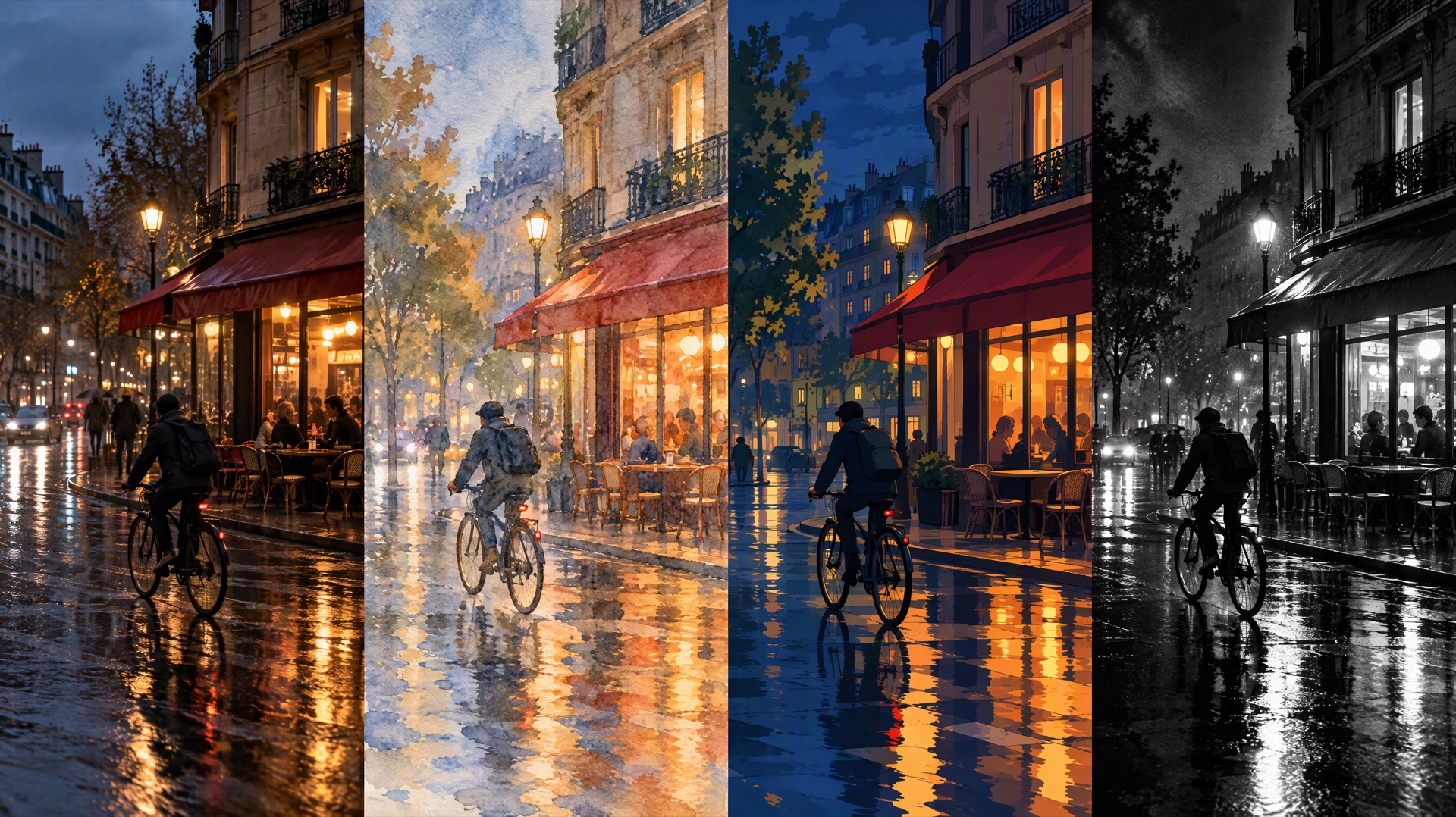
Image prompt: One wide cinematic frame split into four vertical panels that show the exact same scene of a cyclist riding past a corner cafe on a rainy evening, each panel rendered in a different finish: realistic film photography, soft watercolor painting, bold cel-shaded animation, and high-contrast black and white noir. Continuous composition across the panels, wet street reflections, warm window light.
Last verified: 2026-10-27
Contents
- Seedance 2.5 and 5 alternatives at a glance
- Wan 3.0: 30-second clips for fewer credits
- Kling 3.0: up to 4K for short shots
- MiniMax H3: every clip at 2K
- Seedance 2.0: short reference-driven clips at a lower rate
- Kling O3: restyle a short reference video
- Which alternative to pick for your shot
- When to stay with Seedance 2.5
- FAQ
Seedance 2.5 and 5 alternatives at a glance
The numbers below are the settings and credit rates in Yovid's generator today. Credits are for a 5-second clip at credit-pack base rates; subscription plans pay less per second.
| Model | Length on Yovid | Highest resolution | Sound | References in the composer | 5 s at 720p | Good fit |
|---|---|---|---|---|---|---|
| Seedance 2.5 | 4–30 s | 1080p | On or off | Up to 30 images and 10 videos | 31 credits | Long takes, many references, edits |
| Wan 3.0 | 2–30 s | 1080p | On or off | Up to 10 images and 5 videos | 12 credits | Long clips on a budget |
| Kling 3.0 | 4–15 s | Up to 4K | On or off | First frame and optional last frame | 13 credits | Sharp short shots, dialogue |
| MiniMax H3 | 5–15 s | 2K (only option) | Always on | Up to 9 images and 3 videos | 23 credits at 2K | Detail-heavy shots |
| Seedance 2.0 | 4–12 s | 1080p | On or off | Up to 9 images and 3 videos | 20 credits | Short scenes with references |
| Kling O3 | 4–15 s | 1080p | On or off | First and last frame, or one 3–10 s video | 13 credits | Re-rendering a short clip |
Access differs by model. Seedance 2.5, Wan 3.0 and Seedance 2.0 come with every paid plan and every credit pack. MiniMax H3 does too, except on the Lite plan, whose 1080p limit rules out its 2K output. Kling 3.0 and Kling O3 come with every paid plan and the Creator, Studio, Max and Agency packs, but not the Starter pack. Free sign-up credits don't cover any of the six. Full prices are on the pricing page.
Wan 3.0: 30-second clips for fewer credits
Wan 3.0 is the only model on Yovid besides Seedance 2.5 that runs up to 30 seconds in one generation, and it costs much less per second: 2.4 credits at 720p against 6.1 for Seedance 2.5. A 30-second 720p clip is about 72 credits on Wan 3.0 and about 183 on Seedance 2.5. Sound is on by default at no extra cost, and the composer takes up to 10 images and 5 video clips as references.
Best for: long story clips, explainers and social videos where 30 seconds of continuous action matters more than the largest reference set.
Not for: shots that need more than 10 reference images or 5 clips, or edits to footage you already have; Seedance 2.5 has the bigger reference budget and the edit and extend modes.

Image prompt: Cinematic aerial photograph of a red vintage car driving along a winding mountain road at sunrise, the road curling through pine forests and low fog for miles into the distance, long shadows across the valley, golden light on the peaks, the feeling of a single unbroken long take.
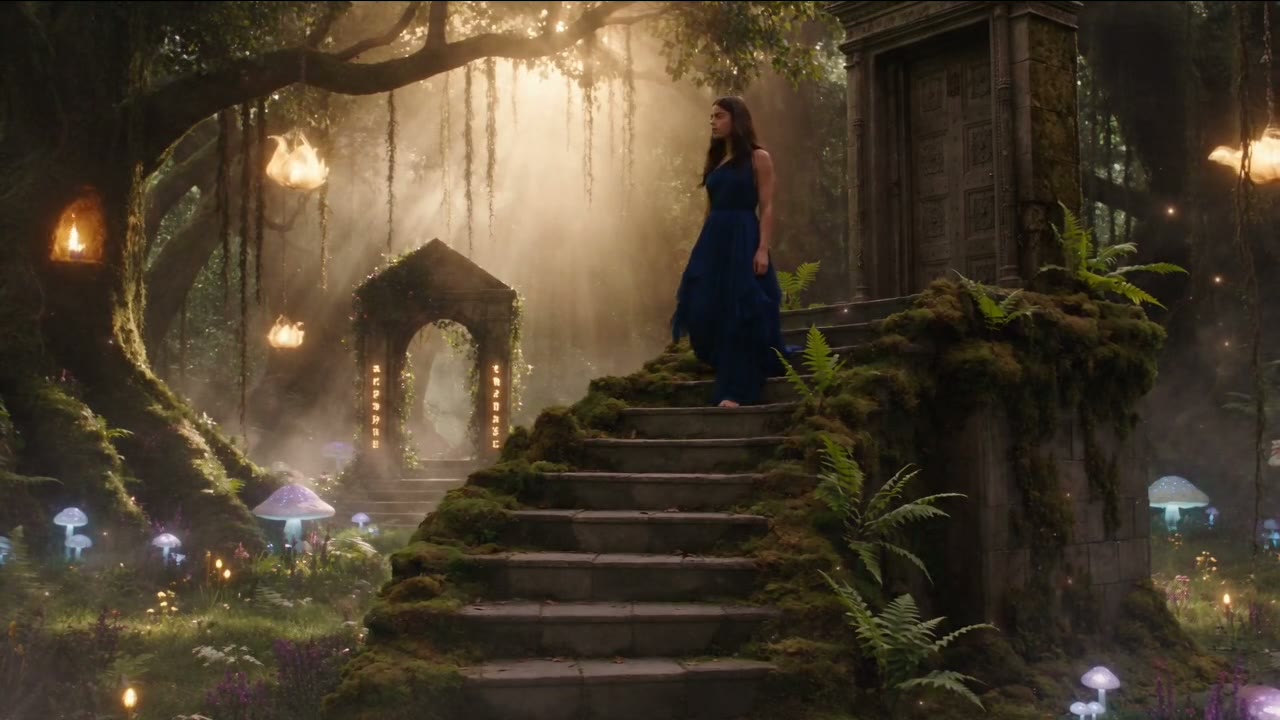
A 30-second single take at sunrise: 0–10s a drone follows a red vintage car up a winding mountain road through pine forest and low fog; 10–20s the car reaches a viewpoint and the camera rises above the trees to reveal the valley; 20–30s the driver steps out, stretches and looks at the sun, wind and birdsong, no music.
Kling 3.0: up to 4K for short shots
Kling 3.0 renders 4 to 15 seconds at 720p, 1080p or 4K, with sound generated in the same pass. Its credit cost depends only on length and resolution: 2.5 credits per second at 720p, 4 at 1080p and 10 at 4K, so a 5-second 4K clip is 50 credits. 4K needs the Premium plan or a Creator (or larger) credit pack; Lite and Pro render it at up to 1080p. Kling's own user guide lists dialogue in English, Chinese, Japanese, Korean and Spanish.
Best for: product shots, close-ups and short ads that will be shown on large screens, and quick dialogue clips.
Not for: clips longer than 15 seconds, or shots that depend on several reference images or videos; Kling 3.0 on Yovid takes a first frame and an optional last frame only.

Image prompt: Extreme macro photograph of morning dew drops on a spider web strung between blades of grass, a small jumping spider in sharp focus, each droplet reflecting the sunrise, fine hairs on the spider visible, creamy green background bokeh, crisp detail.
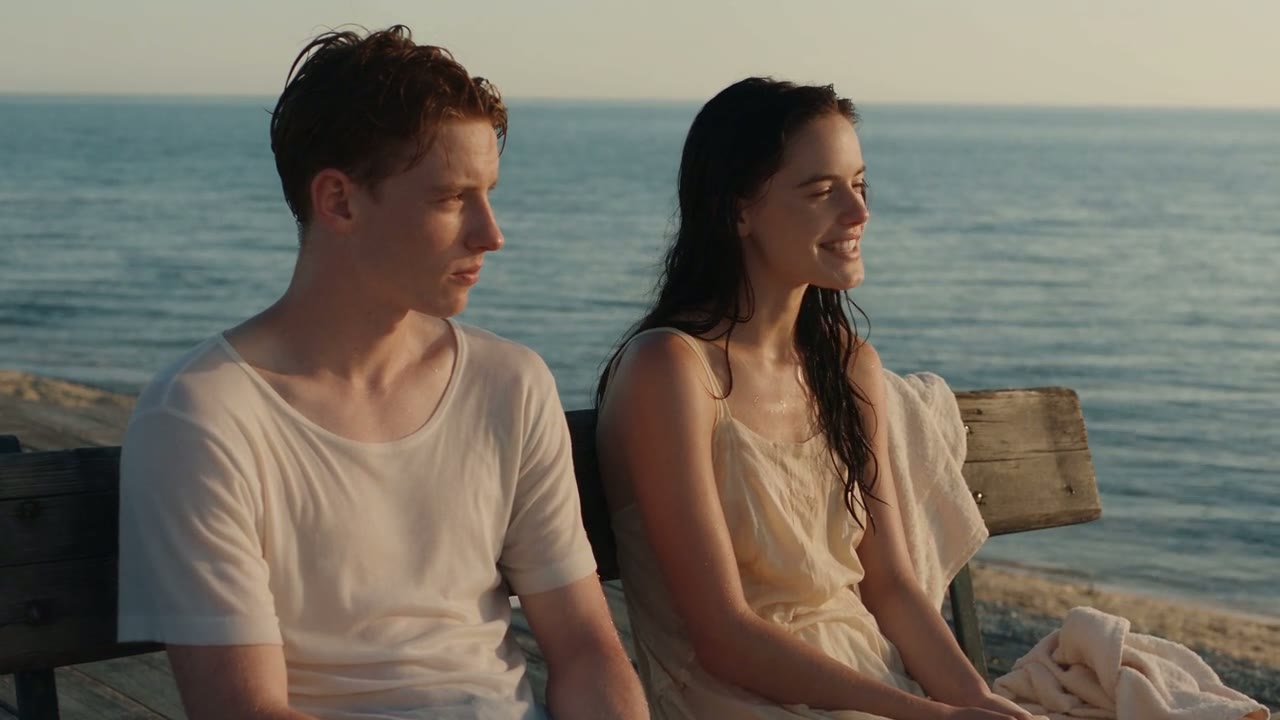
Extreme macro shot at sunrise: dew drops tremble on a spider web between blades of grass as a small jumping spider steps carefully across a thread. The camera slowly racks focus from the droplets to the spider's eyes. Soft wind and distant birds, no music.
For 30 more prompts written for this model, see Kling 3.0 prompts, and for a side-by-side comparison, read Seedance 2.5 vs Kling 3.0.
MiniMax H3: every clip at 2K
MiniMax H3 has one output setting on Yovid, 2K, and renders 5 to 15 seconds with sound always on. It costs 4.55 credits per second, so a 5-second clip is about 23 credits; with more than 5 reference images, each extra image adds a small charge. It takes a first and last frame, or up to 9 images and 3 videos as references, in six aspect ratios from 21:9 to 9:16.
Best for: shots where fine texture has to hold up, such as food, fabric, skin, animals and product surfaces, at a resolution above 1080p.
Not for: quick, cheap tests, since there is no lower resolution to try first, or clips you want silent. It also needs a plan that allows 2K: Pro, Premium or a credit pack. The Lite plan stops at 1080p and can't use it.
A slow push in on a chef plating a dessert in a quiet restaurant kitchen: a spoon drags dark chocolate sauce across a white plate, gold leaf settles on a scoop of ice cream, steam drifts from a coffee cup in the background. Warm side light, soft kitchen sounds.
Seedance 2.0: short reference-driven clips at a lower rate
Seedance 2.0 is the earlier ByteDance Seed model and uses the same way of referencing files in the prompt as Seedance 2.5, such as @image1 and @video1. On Yovid today it renders 4 to 12 seconds at up to 1080p and costs 4 credits per second at 720p and 10 at 1080p, against 6.1 and 15.1 for Seedance 2.5. The composer takes up to 9 images and 3 video clips.
Best for: short scenes with a recurring character or product where you already have a few reference images, and you want to spend less per second than on Seedance 2.5.
Not for: anything over 12 seconds, edits to existing footage, or more than 9 references. 1080p needs Pro, Premium or a credit pack, the same as Seedance 2.5. See Seedance 2.5 vs Seedance 2.0 for the full comparison.
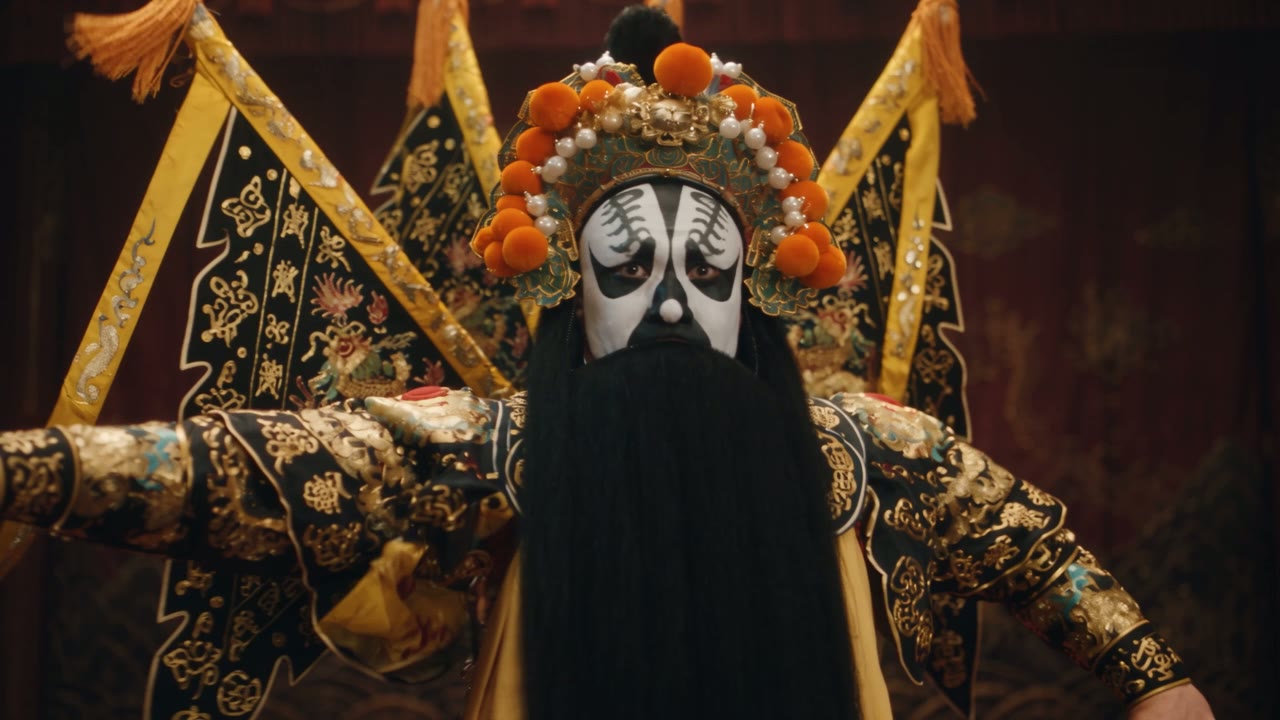
The girl from @image1 sits at a window seat in a small train carriage, rain streaking the glass, and opens a paper bag of oranges. She offers one to the old man across from her, who smiles and takes it. Medium shot, warm interior light, rain and train sounds.
Kling O3: restyle a short reference video
Kling O3 has no separate model page; pick it from the model menu in the generator, or open the video-to-video generator to start from a clip. It renders 4 to 15 seconds at 720p or 1080p for 2.5 or 4 credits per second. Without a reference video it works like a text or image model with sound on or off. With one reference clip of 3 to 10 seconds, it re-renders that clip from your prompt, keeps the clip's own sound instead of generating new audio, and bills only the output seconds.
Best for: turning a short phone clip or animatic into a new look, and first-to-last-frame transitions at a low per-second rate.
Not for: reference clips longer than 10 seconds, several reference videos at once, or output above 1080p.
Restyle the attached video as a hand-painted watercolor animation: keep the person's walk and the camera movement, turn the street into soft washes of blue and ochre, and let the paper texture show through. Keep the original sound.
Which alternative to pick for your shot
| If you need | Try first | Why |
|---|---|---|
| 30 seconds in one take, for less | Wan 3.0 | Same 30-second ceiling as Seedance 2.5 at 2.4 credits per second at 720p |
| The sharpest possible file | Kling 3.0 or MiniMax H3 | Up to 4K on Kling 3.0, 2K on every MiniMax H3 clip |
| The lowest cost for a 5-second test | Wan 3.0 or Kling 3.0 | 12 and 13 credits at 720p |
| Characters kept from reference images, short clip | Seedance 2.0 | Up to 9 images and 3 videos, lower rate than Seedance 2.5 |
| A new look for footage you already have | Kling O3 | Re-renders one 3–10 second clip and keeps its sound |
The fastest way to decide is to run one prompt on two models. Write the prompt once, generate a 5-second 720p version on each, and compare motion and framing before you pay for length or resolution.
When to stay with Seedance 2.5
Several jobs still point to Seedance 2.5:
- Long takes with many references. No other model on Yovid takes 30 images and 10 videos in the composer.
- Editing or extending a clip. Seedance 2.5 detects wording such as "replace" or "extend @video1" and edits or extends the uploaded footage. The alternatives here only generate new clips or, in Kling O3's case, re-render a short reference.
- Testing before paying for 1080p. Its 480p draft mode lets you compare versions for about 3 credits per second and then upgrade the one you keep; see Seedance 2.5 draft mode.
- Six fixed aspect ratios plus adaptive. Useful when one generation has to fit 21:9 cinema, 9:16 phones and 4:3 at once.
For a broader view of all models, see the AI video models comparison. More head-to-head articles are in comparisons and alternatives.
FAQ
What is the cheapest alternative to Seedance 2.5 on Yovid?
At 720p, Wan 3.0 (2.4 credits per second) and Kling 3.0 or Kling O3 (2.5 credits per second) cost the least of the five, against 6.1 for Seedance 2.5. A 5-second 720p clip is 12 credits on Wan 3.0 and 13 on Kling 3.0. Subscription plans pay less per second than these credit-pack rates.
Which alternative can make 30-second videos?
Wan 3.0. It runs 2 to 30 seconds per generation on Yovid, like Seedance 2.5's 4 to 30. Kling 3.0, Kling O3 and MiniMax H3 stop at 15 seconds and Seedance 2.0 at 12.
Which alternative goes above 1080p?
Kling 3.0 renders up to 4K, with the Premium plan or a Creator (or larger) credit pack. MiniMax H3 renders every clip at 2K and needs Pro, Premium or a credit pack. Seedance 2.5, Wan 3.0, Seedance 2.0 and Kling O3 top out at 1080p on Yovid.
Do these alternatives generate sound?
Yes. Wan 3.0, Kling 3.0, Seedance 2.0 and Kling O3 have a sound switch, and MiniMax H3 always renders sound. Kling O3 keeps the original audio when you give it a reference video instead of generating new sound.
Can I use the same prompt on every model?
Mostly, yes. Plain prompts that describe subject, action, place, camera, light and sound work across all of them. Two things need adjusting: reference tags such as @image1 only apply to models that take reference files, and timed beats like 0–10s only make sense on models that can run that long. Each prompt button on this page opens the generator with Seedance 2.5 selected, so switch the model before you generate.
Compare them on your own prompt
Open the Yovid video generator, paste one prompt, and run a short 720p version on Seedance 2.5 and on one alternative from the table. Keep the model whose motion and framing you prefer, then render the final at the length and resolution you need.